 Zhcloudlink
Home / Solutions / Smart Construction Site AI Video Analytics
Solutions
Smart Construction Site AI Video Analytics
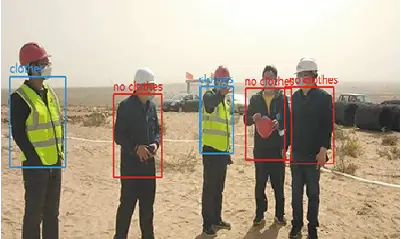
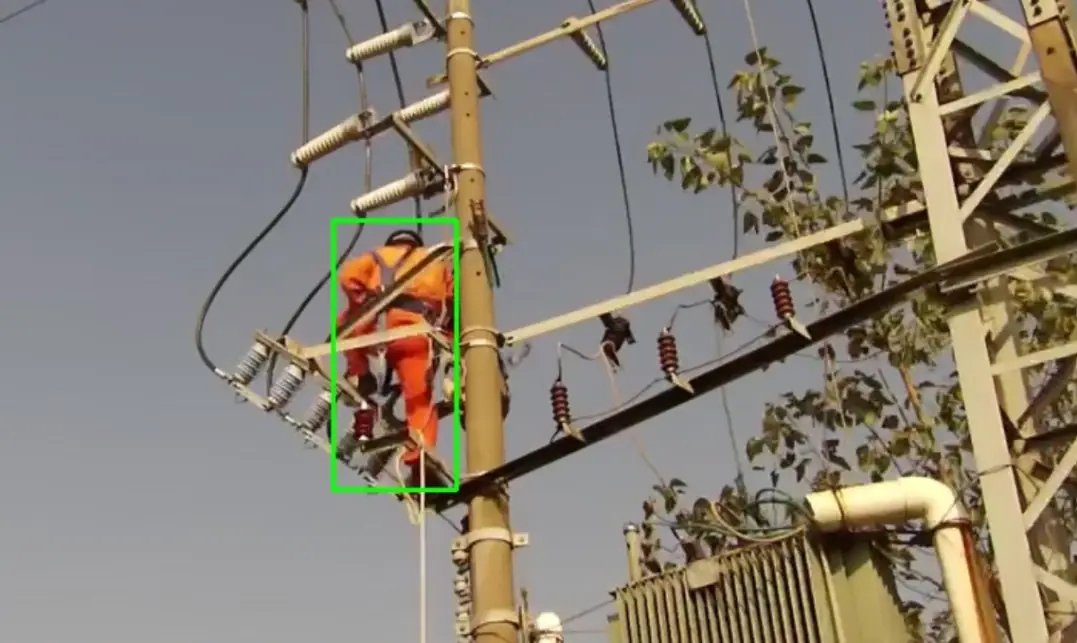
The Zhcloudlink smart construction site AI video analytics solution covers helmets, reflective vests, safety harnesses, smoking and phone use, intrusion, falls, lifting zones, standing water, and fire lanes. Existing cameras can be reused, and the system can be deployed on edge boxes.
SOLUTIONS / Smart Construction Site
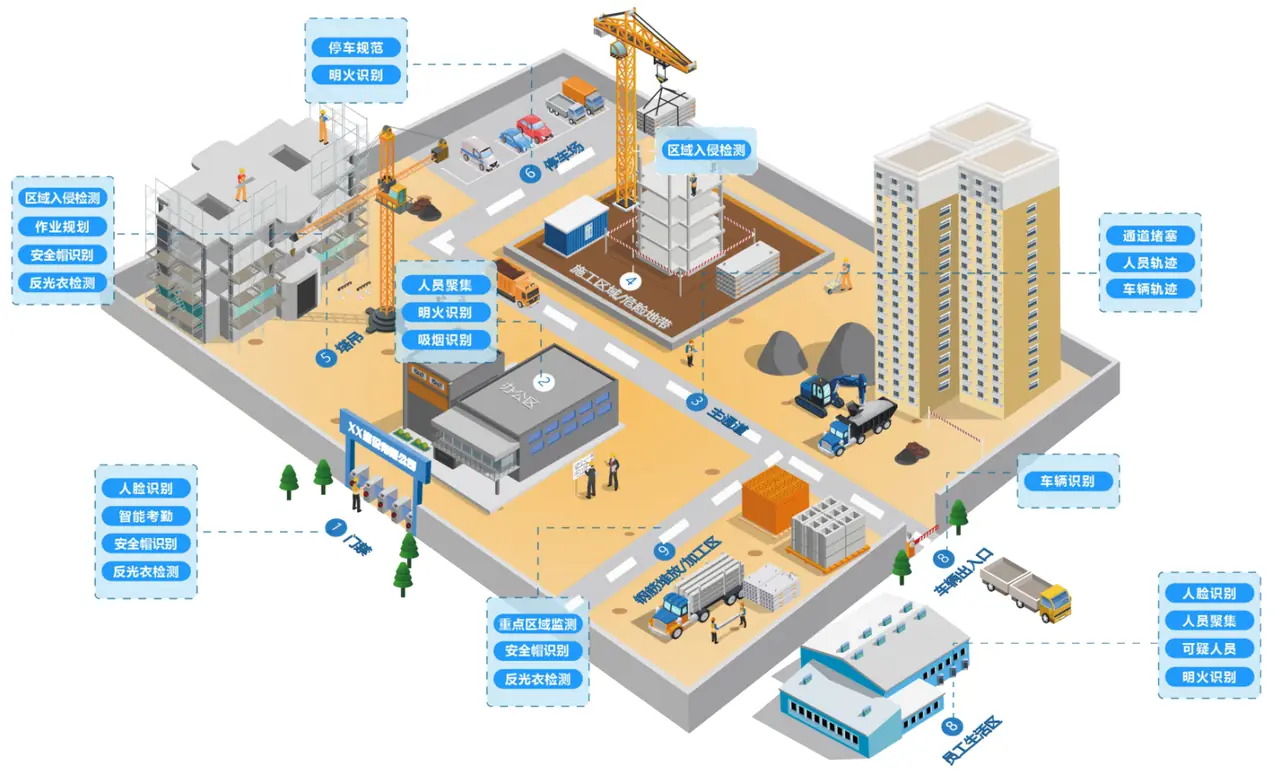
Zhcloudlink (Shenzhen) Technology Co., Ltd. analyzes construction-site video with an AI edge compute platform. Organized around people, machines, materials, methods, and environment, the solution turns safety protection, dangerous zones, and post exceptions into alerts that can be pushed.
Overview
A smart construction site is organized around people, machines, materials, methods, and environment, and uses the Internet of Things, cloud computing, and big data for overall management. The operating base is a visible site, real-name management, live monitoring, intelligent applications, and a full record of vehicles in and out. It can extend to tower-crane monitoring, progress, quality, and BIM.
Warning beforehand
Alert first when a helmet is missing, a harness is not fastened, or a person approaches a lifting zone, so the event is not found only after an accident.
Alarm while it happens
Smoking, phone calls, falls, blocked lanes, and similar events are pushed to managers in real time, so the site can be handled on the spot.
Archive afterward
Alert images and records are kept for checking and review. Different cameras can be assigned different algorithms.
How the network is built
The box sits near the cameras
Each edge computing box connects by wire, over the customer's LAN, to the cameras it serves, and it can also connect directly to an NVR. The site sends only an RTSP video stream or images. Analysis can start after commissioning.
Each box sends its status and analysis results to the cloud management platform, and accepts unified control, algorithm updates, and device management. Aggregation can use 4G, the internet, or a private line. A large screen in the monitoring room shows alerts from each site.
Connection
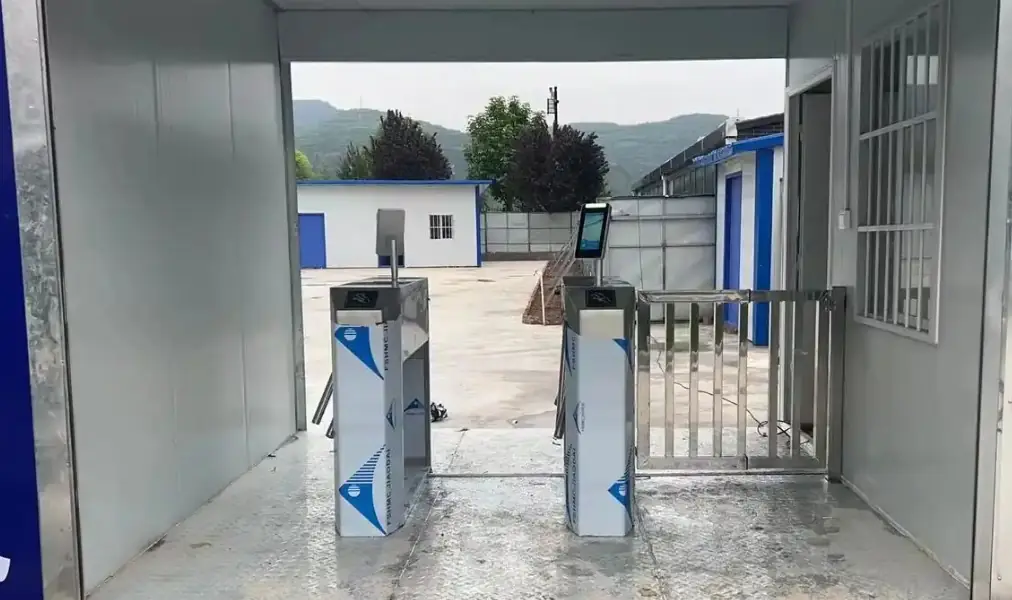
Standard protocols connect cameras, NVRs, DVRs, and monitoring platforms. Cameras can be reused.
Deployment
Compute and applications sit on the same edge device. After the device is on the network it can be upgraded remotely. Interfaces are open, and secondary development is supported.
Algorithms
More than 100 dedicated AI algorithms are used. They can be tuned for a scene, and custom algorithms and multi-channel video aggregation are also supported.
Personal protection and behavior
Smoking, phone calls, and vehicles
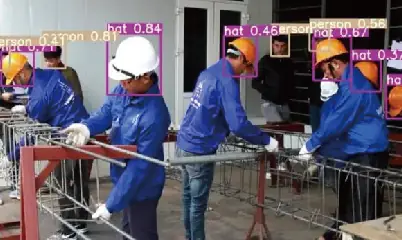
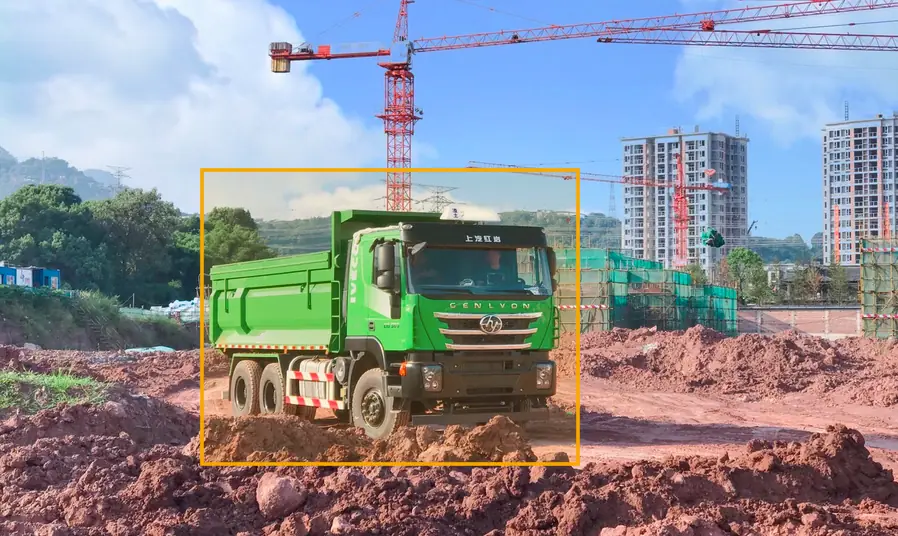
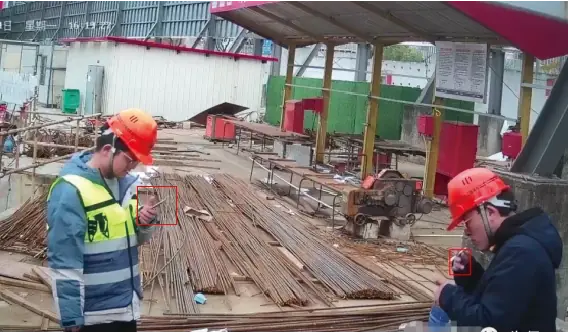
If smoking or a phone call is found inside a drawn zone, an alert is raised immediately and pushed to managers. Medium- and low-mounted cameras detect heavy vehicles such as dump trucks and excavators.
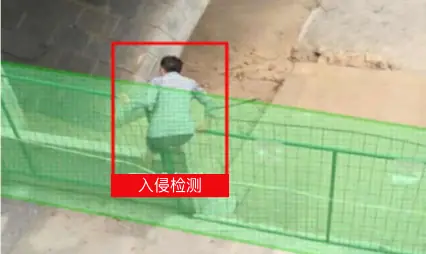
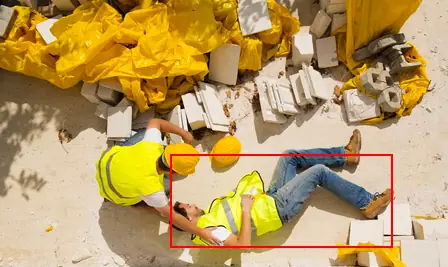
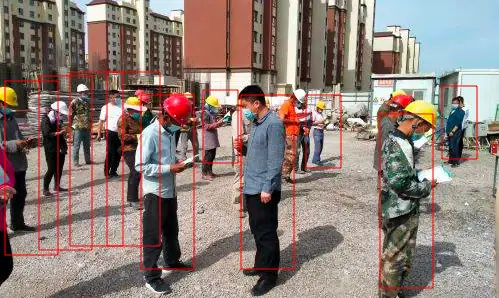
An alert is raised when a stranger appears in a prohibited zone. A person falling triggers a real-time warning, so rescue can start. A warning is raised when many people gather in a fixed zone, for emergencies and on-site safety control.
Dangerous zones and site conditions
Sleeping on duty and leaving a post
Monitoring-room posts
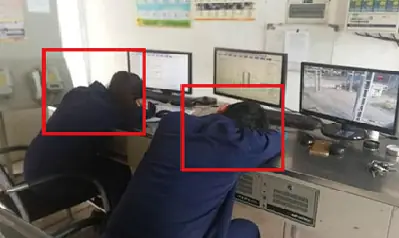
Sleeping-on-duty recognition detects someone lying on a desk, leaning back in a chair, or lying on a stool, so an unattended post does not become a safety risk.
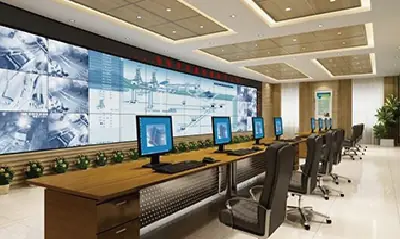
Leaving-a-post recognition uses the on-site cameras to find an empty monitoring room, so someone is on duty 24 hours. Alerts can be pushed to managers at the same time.
Edge devices and custom algorithms
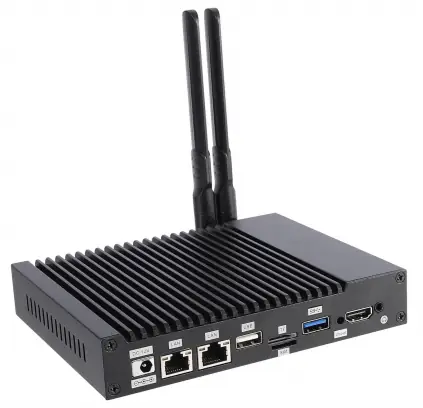
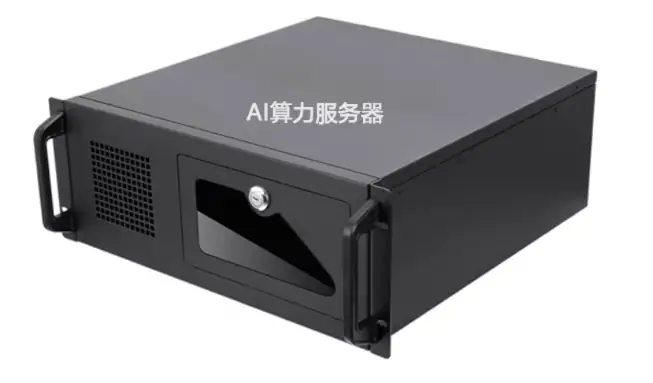
Choose a box or a server by the number of input channels. Processor, memory, and compute follow the product page. The solution supports custom branding and custom compute configurations. AIS-06 is the server form in this solution: 13th-gen i5, 10 cores, 32GB memory, RTX 3060 12GB, 1TB SSD, about 50 cameras.
Edge and cloud together
The center uses x86 and GPU for management, load balancing, and open algorithms. The site uses ARM and NPU edge nodes for algorithm monitoring, compute monitoring, and cluster balancing. Cameras, the view library, and the video platform send pictures to these nodes.
Platform capabilities
- More than 100 dedicated algorithms, assigned per camera.
- RTSP video streams and image parsing.
- Remote upgrade, open interfaces, and secondary development.
- Multi-channel video aggregation and management.
Custom algorithms
Data labeling and model training target long-tail scenes. Detection, classification, keypoints, and segmentation are supported. Edge devices can dynamically update YOLO v5 and v8 models that the user trained.
Integrations already done
The solution has connected to the Beijing 395 platform, the Jiangsu labor real-name platform, and housing and urban-rural development bureau platforms in Hubei, Jiangxi, Hunan, and other provinces. More than 1000 construction-site projects have been delivered.
Questions
What on a construction site does this solution cover?
It is organized around people, machines, materials, methods, and environment. The first results are visible video, real-name people, live monitoring, intelligent alerts, and a record of vehicles in and out. AI video analytics focuses on safety protection, dangerous zones, the environment, and whether a post is staffed.
Do existing cameras have to be replaced?
Not all of them. The box takes an RTSP video stream or images, and it can also connect to an NVR. Standard protocols can connect cameras, NVRs, DVRs, and monitoring platforms.
What personal protection can it recognize?
Helmets, reflective vests, and safety harnesses. It also covers smoking, phone calls, restricted-zone intrusion, falls, gathering, sleeping on duty, and leaving a post.
How are dangerous zones set?
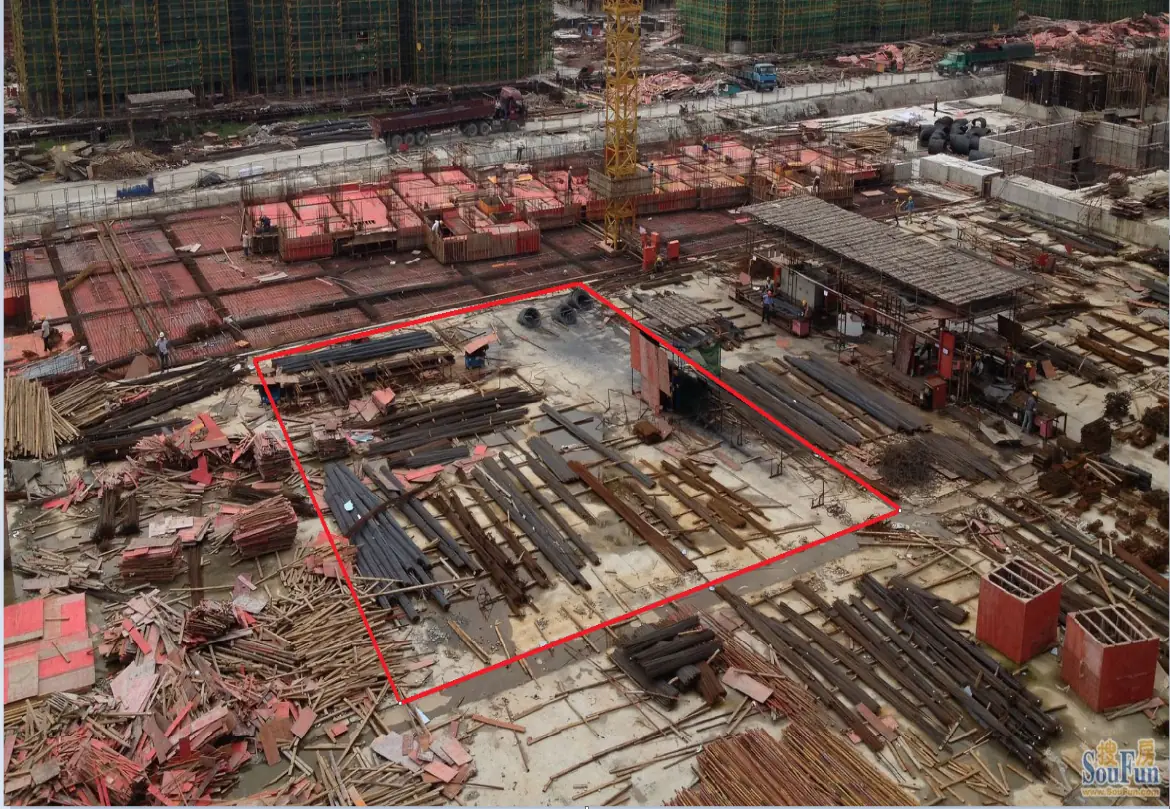
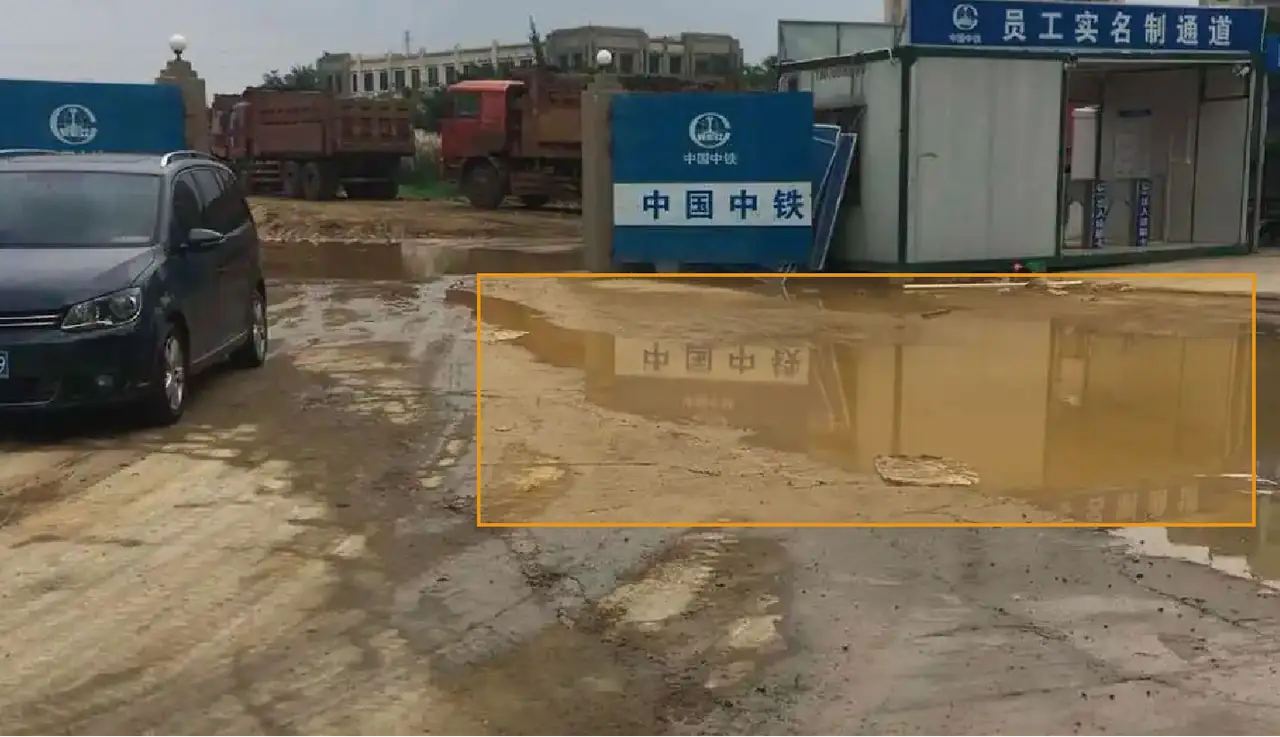
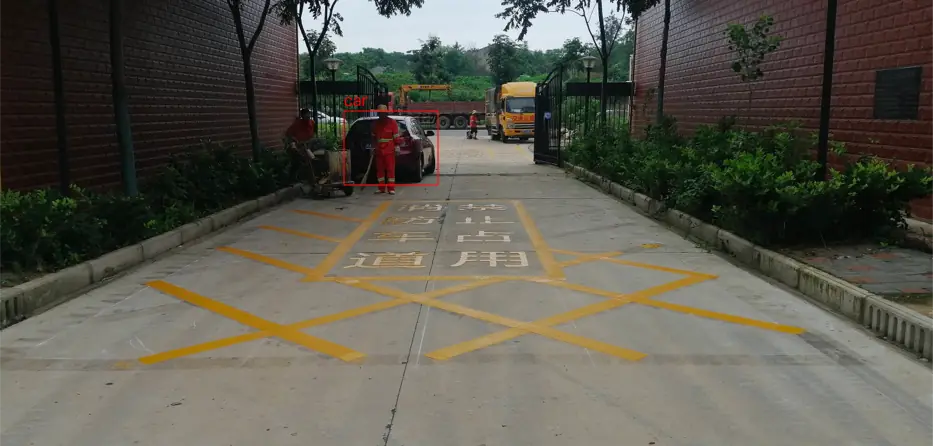
Draw a zone on the view of a lifting area, an unloading area, or a similar place. An alert fires when a person enters. Fire lanes are checked for occupancy and blockage. The road surface is checked for large areas of standing water.
How many channels can one device take?
AIBox-05 is about 4–8 channels, AIBox-03 is about 8–16 channels, and the AIS-06 server is about 50 channels. Box specifications are on the matching product page, and compute configurations can be customized.
Can the algorithms be changed for a project?
Algorithms can be customized, and YOLO v5 and v8 models trained by the user can be updated onto the edge device. A cloud side updates algorithms and manages devices for multiple boxes together.